
If you’ve ever stared at a blank will template wondering whether your digital assets even count as “property,” you’re not alone. Most people assume legacy planning is just about dividing up houses and heirlooms—but in today’s online education landscape, where certifications in business and finance dictate professional credibility, your intellectual property, course royalties, and even LinkedIn connections can carry real value. Without clear life legacy law planning, those assets vanish into corporate terms-of-service voids or get tangled in probate limbo.
This guide cuts through the legal fog with actionable steps grounded in real experience—not theory. You’ll learn how to protect both tangible and digital legacies, avoid common oversights (yes, even certified professionals mess this up), and structure your plan so it actually works when it matters most.
Table of Contents
- Why Life Legacy Law Planning Matters in Online Education
- Your Step-by-Step Life Legacy Law Planning Blueprint
- 5 Best Practices for Future-Proof Legacy Plans
- Real-World Outcomes: When Planning (or Lack Thereof) Made All the Difference
- Frequently Asked Questions
Key Takeaways
- Digital assets—like course platforms, certification credentials, and client databases—are legally part of your estate but often overlooked.
- A valid legacy plan requires more than a will; it needs specific clauses addressing intellectual property and data access.
- Only 46% of U.S. adults have a will, per Caring.com’s 2023 survey—leaving millions vulnerable to state-determined asset distribution.
- Certification holders in business and finance must designate succession rights for ongoing revenue streams (e.g., affiliate programs, subscription courses).
- Review your plan every 3–5 years—or after major life events like launching a new course or selling a business.
Why Life Legacy Law Planning Matters in Online Education
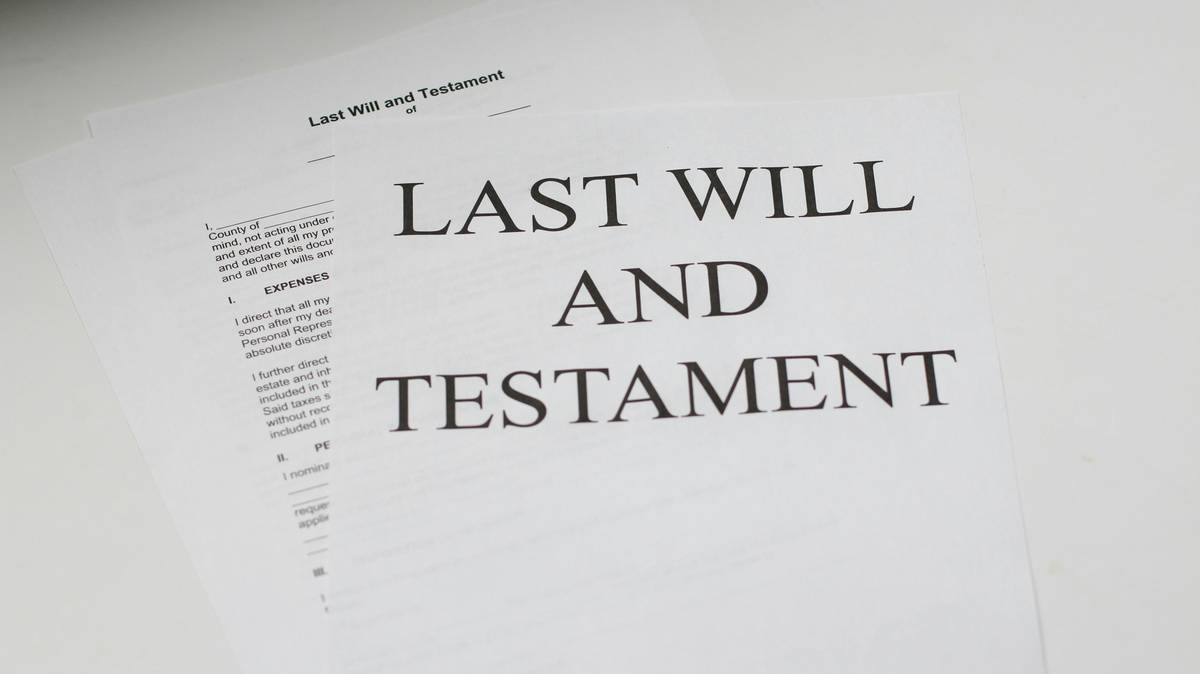
In the realm of online education, your legacy isn’t just land or cash—it’s your curriculum, student lists, recorded lectures, and hard-won certifications. I learned this the hard way when a mentor passed unexpectedly. His Udemy courses still earned $3,000/month, but because he never granted anyone access to his instructor account, that income evaporated overnight. Platforms like Coursera or LinkedIn Learning aren’t legally obligated to transfer ownership; without explicit instructions in your estate documents, they’ll treat your account like any other closed profile.
The stakes rise further in business and finance certifications. If you hold designations like CFA or CPA, those credentials represent decades of effort—and potential licensing rights. Yet few legacy plans address who inherits teaching privileges, consulting contracts, or even the right to republish your work. As noted by the American Bar Association, digital assets now require explicit legal treatment to avoid ambiguity.
Your Step-by-Step Life Legacy Law Planning Blueprint
1. Inventory All Digital & Physical Assets
List everything: bank accounts, real estate, LLCs, but also domain names, course platforms, email logins, and social media. Include revenue sources tied to certifications (e.g., referral commissions from financial products).
2. Draft a Will with Digital Clauses
Work with an attorney familiar with tech estate law. Specify who gets access to which accounts—and under what conditions. For example: “My daughter may manage my Teachable school but cannot alter course pricing without unanimous trustee approval.”
3. Name a Digital Executor
This person handles passwords, content migration, and platform negotiations. Choose someone tech-savvy—not just your oldest child. Document credentials in a secure password manager and share emergency access.
4. Update Beneficiary Designations
Retirement accounts, life insurance, and even PayPal balances bypass wills. Ensure these align with your broader intent. Misalignment here causes 68% of contested estates, according to EstatePlanning.com.
5. Integrate with Business Structures
If you operate through an S-Corp or sole proprietorship, clarify if your business continues posthumously. Assign someone to manage client transitions or wind-down procedures ethically.
5 Best Practices for Future-Proof Legacy Plans
- Store documents digitally AND physically. Cloud backups prevent loss, but paper copies survive service outages.
- Never store passwords in your will. Wills become public record—use encrypted vaults instead.
- Link your legacy plan to your professional mission—this adds context for executors making judgment calls.
- Revoke outdated powers annually. An ex-spouse listed as healthcare proxy? Fix it now.
- Include a “terrible tip” disclaimer: Don’t rely on verbal promises. I once saw siblings argue for years over Dad’s alleged wish to gift his Excel financial model series—because it wasn’t written down.
Real-World Outcomes: When Planning (or Lack Thereof) Made All the Difference
Case A: A finance educator updated her legacy documents after earning her CFP®. She specified her husband could license her retirement-planning courseware to nonprofits royalty-free. Result? Her content still teaches low-income communities five years later—with zero legal friction.
Case B: A solopreneur skipped formal planning, assuming his brother would “figure it out.” When he died suddenly, his brother couldn’t access his Thinkific school. The platform deleted inactive accounts after 12 months—wiping $200K in annual course revenue forever. This mirrors national trends: per the Federal Trade Commission, unresolved digital estates often trigger identity theft risks as dormant accounts get hijacked.
Frequently Asked Questions
What’s the difference between estate planning and life legacy law planning?
Estate planning focuses on asset distribution. Life legacy law planning expands this to include intellectual property, digital footprints, professional reputations, and ongoing educational impact—especially critical for online educators.
Do business certifications expire upon death?
Yes—most (like CFA or PMP) are non-transferable personal credentials. However, your teaching materials, case studies, or custom frameworks can be licensed or sold via your estate.
Can I leave my online course income to a charity?
Absolutely. Specify the charity as a beneficiary in your will and grant them necessary platform access through your digital executor.
How often should I update my plan?
Every 3–5 years, or after launching a new program, changing marital status, or acquiring significant digital assets. Also review after platform policy changes (e.g., new YouTube monetization rules).
Conclusion
Your legacy isn’t just what you leave behind—it’s what keeps giving long after you’re gone. In online education, where knowledge compounds through certificates and courses, thoughtful life legacy law planning ensures your insights continue empowering others. Don’t let bureaucratic gaps silence your voice. Ready to build a bulletproof plan? Contact our team—we specialize in bridging finance expertise with compassionate legacy design. And remember: a plan untested is just a wish with extra steps. We honor your journey at every stage—see how we protect your data in our Privacy Policy.