Most people think estate planning ends with a will. They sign documents, file them away, and assume their wishes will magically unfold after they’re gone. But here’s the brutal truth: without true legacy planning, your values, wisdom, and intentions can vanish in legal bureaucracy—or worse, family conflict. The solution isn’t more paperwork. It’s intentional design that spans generations.
Why Traditional Estate Planning Fails at Real Legacy Building
A standard will distributes assets. That’s it. It says nothing about your ethics, your hopes for your grandchildren’s education, or how you want your charitable vision to endure. And courts don’t enforce “values”—only clauses.
Worse yet, probate exposes everything publicly. Family members who feel slighted sue. Heirs unprepared for sudden wealth squander it within years. One study found 70% of wealth transfers fail by the second generation. The system wasn’t built for meaning—it was built for transactions.
What Is Legacy Planning: A Step-by-Step Framework That Actually Works
Legacy planning goes beyond assets. It weaves together legal instruments, communication rituals, and financial structures to ensure your impact outlives you. Here’s how to do it right:
Clarify Your Non-Financial Legacy First
Before naming beneficiaries, ask: What principles matter most? Is it entrepreneurship? Community service? Integrity in business? Write a legacy letter—sometimes called an ethical will—that articulates these beliefs. This document has no legal weight but immense emotional power.
Align Legal Tools with Life Goals
Use trusts—not just wills—to control timing, conditions, and purpose. A dynasty trust can preserve capital for decades. An incentive trust might tie distributions to milestones like graduation or starting a nonprofit. And yes, you can fund a scholarship in your name through a donor-advised fund structured within your estate.
Prepare Heirs Before You’re Gone
Legacy erodes when heirs are blindsided. Host annual family meetings. Introduce trustees early. Let younger generations participate in charitable decisions while you’re alive. Familiarity breeds responsibility—not entitlement.
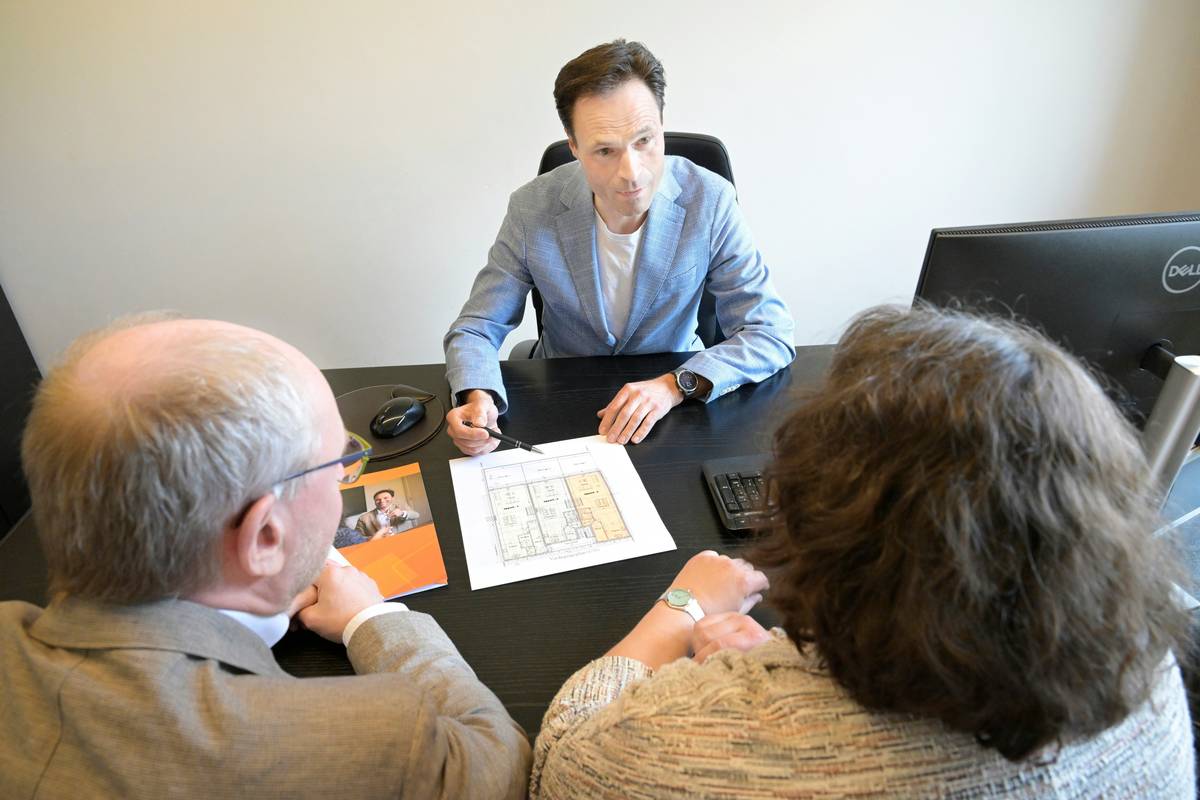
| Approach | Cost Range | Time Required | Longevity of Impact |
|---|---|---|---|
| Basic Will + Power of Attorney | $300–$1,500 | 1–2 weeks | None beyond asset transfer |
| Revocable Living Trust | $2,000–$5,000 | 4–8 weeks | Moderate (avoids probate, limited control) |
| Comprehensive Legacy Plan | $7,500–$25,000+ | 3–6 months | Generational (values, assets, and purpose embedded) |
Integrate Tax Strategy Without Sacrificing Vision
You don’t have to choose between minimizing estate tax and honoring your mission. Techniques like GRATs (Grantor Retained Annuity Trusts) or ILITs (Irrevocable Life Insurance Trusts) can shelter value while funding your legacy goals. Work with advisors who speak both “finance” and “family.”

The Industry Secret: Legacy Plans Fail When They’re Silent
Here’s what no one tells you: the biggest risk isn’t legal loopholes—it’s silence. I’ve seen flawless trusts collapse because heirs had no context for why they existed. One client left $2M to each grandchild—but never explained his belief that money should fuel purpose, not comfort. Within five years, two started businesses; three bought luxury cars and drifted. The plan worked legally. It failed humanly.
So record your voice. Film a message. Host a “legacy dinner” where you share stories behind your decisions. Paper lasts decades. Presence lasts generations.
Frequently Asked Questions
Is legacy planning the same as estate planning?
No. Estate planning handles asset distribution legally. Legacy planning adds values, relationships, and long-term purpose—it’s estate planning with soul.
When should you start legacy planning?
Now—even if you’re young. Values evolve, but documenting them early creates continuity. Revisit every 3–5 years or after major life events.
Can legacy planning reduce family conflict?
Absolutely—when done transparently. Explaining your “why” prevents misinterpretation. Silence invites assumptions; clarity builds trust.